News

Latest news and updates from our company

Hengli Petrochemical ( Dalian ) New Material Technology Co.,Ltd.
2026-04-13

Hengli Petrochemical ( Dalian ) New Material Technology Co.,Ltd.

Reflecting on Hengli Petrochemical (Dalian) New Material Technology Co.,Ltd, I recognize what it takes for a chemical manufacturer to scale up in today’s environment. Raw materials don’t simply appear at the gates. Relationships with suppliers, coupled with substantial logistics, call for a high level of coordination and planning every single day. Any disruption—be it shipping delays, feedstock price swings, or energy costs—puts pressure on margins and workflow. Hengli’s move into high-performance polymers and specialty materials signals not just an ambition for market share, but years of refining plant operations and optimizing supply chains. Maintaining consistent quality over thousands of metric tons a month involves constant investment in process controls and trained operators who know what to look for. Achieving this, as Hengli appears to do, requires grit and a deep understanding of both chemistry and engineering.Following the chemical market in China, especially as it shifts from commodity base chemicals toward advanced materials, means constantly upgrading equipment and retraining staff. Bringing new reactors or extrusion lines from concept to production is not just about capital outlay. It’s about making sure every step operates safely and efficiently, since one minor fault can cause costly downtime or product out-of-specification. For those of us running similar lines, it’s clear that switching from PET resin to advanced co-polymers isn’t done overnight. Most plant teams wrestle with cross-contamination, cleaning cycles, and how to avoid unplanned shutdowns during grade transfers. Each technical staff member needs to understand material handling rules to avoid problems like hydrolytic degradation or contamination, requiring deep technical background supported by practical operating discipline—not something that develops in one training session or after reading maintenance manuals.Stricter environmental rules over the past decade have changed how we build and run plants. The push for higher recovery rates of solvents and lower emissions forces every chemical facility to rethink how waste gets handled. According to public records, Hengli has invested heavily in advanced purification and recovery systems. Echoing our own experiences, you don’t just install a scrubber and call it green chemistry. Each piece of hardware brings new maintenance challenges and training requirements for operators. In my experience, balancing output with energy consumption and effluent quality costs real money and requires specialists with years of know-how. Only with long-term staff retention—and by rewarding operators for keeping emissions low—can any facility keep up with fast-moving standards. The industry has learned that reputation as a responsible manufacturer brings long-term gains in public trust and regulatory goodwill, outweighing the added operational cost.Customers today ask for better performance, not just commodity grades. Delivering higher molecular weight resins or specific copolymer compositions means tight process window controls and detailed analytical feedback from lab to plant floor. Upgrading R&D teams and integrating them into the daily life of the plant creates an ecosystem where chemists and engineers collaborate, pushing for new grades or specialty materials. From my own company’s experience, this translates to late nights troubleshooting reactions or mapping out how a polymer’s melt flow affects downstream conversion in real applications, not just lab beakers. Hengli’s direction into new materials mirrors what we see globally—the need to support automotive, electronics, and packaging with consistent properties, tight pellet size ranges, and control over impurities. Successful producers translate lab insight into scalable, repeatable processes: not a one-off, but a constant cycle.The sheer volume of shipments required by large-scale petrochemical plants means logistics are a daily test of coordination. From firsthand experience, backlogs at ports or restrictions on truck movement—something Chinese manufacturers face more often after new transportation standards came in—can stress even the best-run supply chains. Manufacturers who own or deeply integrate with logistics partners can react faster by rerouting product or prioritizing containers, keeping commitments to customers even when port congestion hits. This requires skilled planners and real-time information systems, allowing sales and production teams to make decisions quickly. Immediate feedback from the field—whether a customer sees off-odour in pellets or blocked filters in melt lines—is vital. Manufacturers who maintain dedicated technical service staff, fluent in both product technology and customer operations, build partnerships that withstand occasional disruptions. Keeping lines open, troubleshooting problems, and providing replacement shipments on short notice all stem from a manufacturing culture rooted in responsibility rather than just contracts.Manufacturers have to build trust step by step. More multinational converters and brand owners now demand transparency from suppliers across the supply chain. Certification on food contact compliance, documentation of process changes, and full traceability often stretch the internal resources of a plant. Generating a certificate of analysis for every batch, sharing safety and compliance data proactively, and swiftly updating clients about process adjustments call for both investment in IT and a cultural shift inside the plant. A producer’s willingness to undergo third-party audits—even at short notice—demonstrates confidence in its own operations. Over years of supplying global brands, it’s clear that more transparency and open dialogue with customers builds lasting relationships and smooths over inevitable controversies. Gap analysis and corrective action aren’t just buzzwords—they’re part of the daily grind that keeps everyone sharp and accountable, from the shop floor to the boardroom.The chemical manufacturing world never sits still. Regulatory updates, supply chain surprises, and sudden changes in end-market demand shape daily strategies. Those who adapt and put resources into both people and equipment wind up ahead in the long run. Facilities willing to listen—not only to customers but also to plant technicians and logistics staff—stay nimble when conditions shift. Based on years in this industry, developing in-house expertise that blends chemistry, process controls, engineering, compliance, and logistics enables a rapid response to both problems and new opportunities. Hengli Petrochemical’s continuous expansion into new grades and applications suggests a recognition of shifting market fundamentals that rewards both scale and flexibility. As a manufacturer, these traits remain the true markers of industry leadership and long-term resilience.

Read More
Hengli Group's Annual Production Capacity of Pure Terephthalic Acid (PTA)
2026-04-13

Hengli Group's Annual Production Capacity of Pure Terephthalic Acid (PTA)

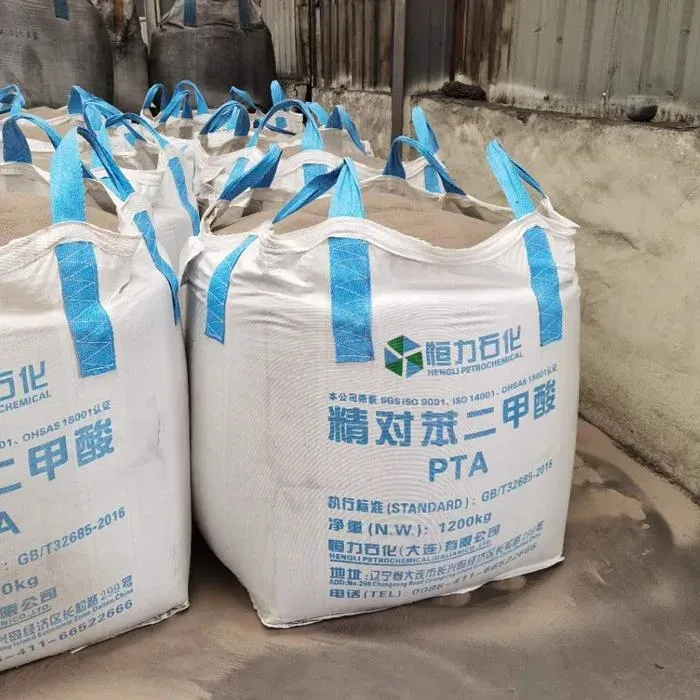
Every year, numbers shared around the annual capacity of Hengli Group’s pure terephthalic acid (PTA) production stand out and spark a lot of conversation in the raw material world. As a manufacturer, it is impossible not to respect the science and process complexity involved in reaching millions of tons per year. So much careful engineering and refining goes into balancing oxygen ratios, acetic acid recovery, and energy use across reactors that run twenty-four hours all year round. The scale Hengli operates at offers advantages. It allows stable supply for major polyester plants and downstream textile industries, both inside China and internationally. In a market where a small glitch at a single plant can send ripples through bottle and yarn makers worldwide, big, reliable production matters more than any marketing campaign.Not many realize how much of our own planning, feedstock purchasing, and technology upgrades hinge on what happens at large integrated companies like Hengli. For anyone making PTA, capacity numbers aren’t just industry PR. They drive the rhythm of plant shutdowns for maintenance, help determine catalyst choices, and push us to squeeze out ever higher yields from equipment investments. Hengli’s model of scalable, integrated refining influences every procurement conversation. When a player of their size locks in long-term paraxylene contracts or debottlenecks units, the price and availability of raw materials shift for everyone—sometimes overnight.Inside our own factory, the pressure to streamline and lower the environmental footprint only intensifies as these mega-producers ramp up. Upstream raw aromatics just don’t stay static; their offtake flows directly into the PTA train, shaping water and energy use strategies all the way down to effluent recovery. If a plant can push more PTA per year, they get more negotiating power on utilities, which drives smaller and medium producers to innovate or recalibrate their focus. Reactors need more robust lining, solvent recovery gets tighter, and every operator learns to watch for incremental cost savings. Having a giant like Hengli exceeding previous benchmarks forces the rest of us to think harder about how we can keep plants running efficiently, deliver consistent purity, and still stay profitable in a sea of shifting margins.It’s not just about size—the speed at which Hengli executes expansion plans reshapes the path for the rest of the manufacturing sector. We consistently evaluate whether to ally, compete, or carve out specialties for regional markets. For some, that might mean focusing on niche grades, working closely with local bottle or fiber manufacturers, or investing more in by-product diversification rather than direct head-to-head competition. Others look at automation and digital process control as mandatory even on traditional lines. Watching the ripple effects, it becomes clear that each uptick in capacity isn’t just an engineering feat; it’s a catalyst for others to seek incremental gains or rethink their market strategies entirely.Hengli’s sheer output brings both comfort and anxiety for downstream industries. On one hand, buyers appreciate knowing there’s steady supply, enough to buffer against sudden weather events or upstream outages. On the other, a rapid surge in capacity can overshoot actual polyester demand, which drags down spot pricing and threatens older, less efficient plants with closure. In tight years, this dynamic weeds out inefficient operations. In years of plenty, it encourages end users to push for harder bargains. As a fellow manufacturer, keeping a close eye on this balance helps us anticipate both opportunities for new contracts and the risk of having to idle units during market downturns.Environmental scrutiny grows with production scale, and it does not let up just because a company has cutting-edge equipment. Every new PTA unit generates more focus on CO2 intensity, water draw, and solid waste from purification steps. Larger producers often invest in membrane recovery, bio-treatment, and waste heat integration, pushing regulatory agencies and competitors to raise their standards. These environmental investments can become more cost-effective only at a certain output scale. Smaller plants sometimes team up to share waste treatment or explore carbon capture, but for true impact, larger plants set the pace by translating pilot projects to commercial reality. As climate policies tighten, the need for continuous environmental improvement isn’t optional anymore. Sustainability teams find themselves critical at every phase of capacity expansion because community expectations and export partner requirements rise with every new announcement of increased PTA output.No single manufacturer can ignore updates from Hengli or other integrated refining and chemical conglomerates. Whether we are operating legacy lines or putting up new reactors, their numbers drive many boardroom conversations among process engineers, plant managers, and company leadership. Frequent check-ins on market signals, feedstock imports and pricing intelligence are a routine part of daily business now. With the accelerating push to turn waste streams to value and improve energy efficiency, manufacturers who study the success—and pain points—of leaders like Hengli are more likely to find viable paths forward. Running a chemical plant today rests not only on following global supply and demand; it requires paying close attention to these regional powerhouses whose annual capacity increases will define the next decade in polyester and packaging.

Read More
HENGLI PETROCHEMICAL ( DALIAN ) CHEMICAL CO., LTD.
2026-04-13

HENGLI PETROCHEMICAL ( DALIAN ) CHEMICAL CO., LTD.

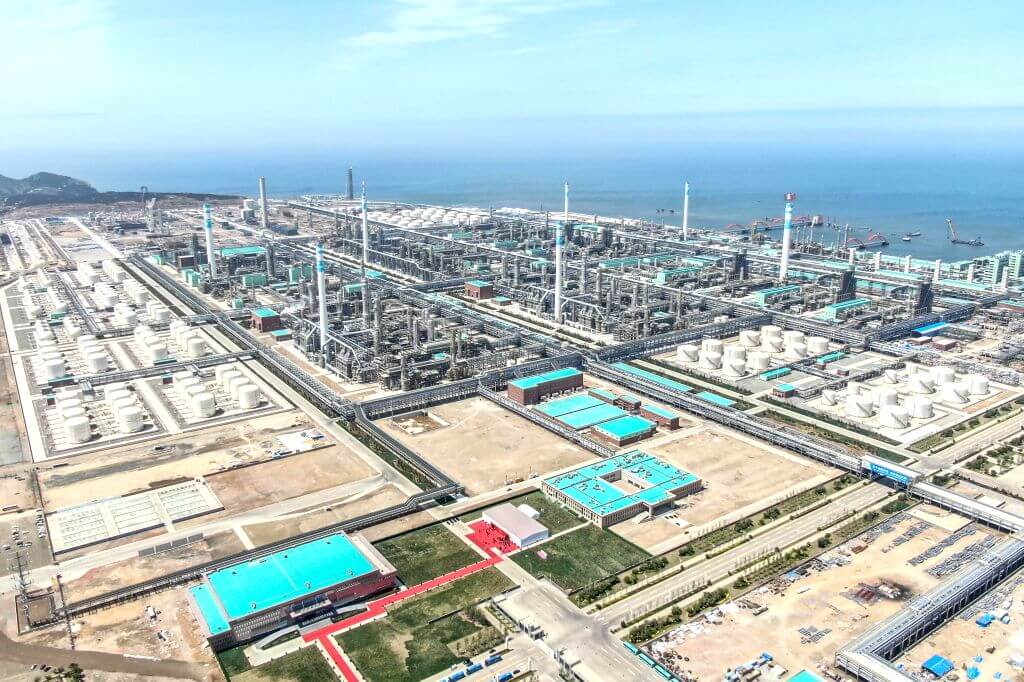
Working every day in chemical production means facing both grit and complexity, and seeing how Hengli Petrochemical (Dalian) Chemical Co., Ltd. operates at the gigantic scale it does keeps raising the stakes for everyone in this line of work. Their integrated model—where refining, aromatics, and polymerization pull together—is not just about size, but about how relentlessly streamlined processes can change market flows overnight. In our own operations, efficiency saves costs, but at Hengli’s scale, it can rewrite global price points for PTA, PET, and related raw materials. Their ability to bring new capacity online faster than most factories can plan line upgrades challenges smaller and mid-size players like us to reconsider investment timelines for expansions and plant technology. Production in this business has always relied on the strength of supply chains, and Hengli’s vertical integration makes them not just a supplier or buyer, but sometimes a starting point for raw materials themselves. We watch them move from naphtha cracking to aromatic extraction, polycondensation, and resin finishing on interconnected sites, while others in the industry are still negotiating basic feedstock contracts or working between third parties. The way they lock in energy supply and raw material reliability cuts down uncertainty—something every manufacturer would pay a premium for. When pockets of the industry get squeezed on paraxylene availability, Hengli’s ability to buffer shocks from crude price swings gives them a real edge. Sometimes, we’ve had to pause batch runs, or reschedule maintenance, simply because upsets cascade down a less robust supply chain; big players help stabilize that.Quality assurance at a big plant isn’t about catching mistakes, but about designing them out from the start. With a history of persistent customer audits and ongoing regulatory scrutiny, we know each certification, from ISO 9001 to more niche sector standards, takes serious operational discipline. Hengli’s claim to certified, consistent output has been built up through heavy investment in automatization and closed-loop monitoring, not marketing slogans. When they market products with traceable batch histories, full analytical breakdowns, and digital monitoring, it shows how high the bar has moved for all of us. Customers—especially multinationals—take this as a minimum requirement now and expect every supplier to be able to supply COA with granular readings, not vague assurances.Anyone working in this sector over the last decade has seen how society views the chemical industry evolve. No longer just about product and price, every major facility needs to address carbon emissions, waste handling, and transparent community engagement. Hengli’s newer complexes, including their Dalian site, have focused significant resources on flue gas desulphurization and advanced water treatment. These investments come with real costs, but regulatory and social expectations leave no alternative. Down the river or across the city, people care whether production harms their air or water. Our plant upgraded effluent systems just to keep up—customers ask us what we’re doing on this front more often than they query chemistry details. Watching Hengli take part in renewable energy pilots or carbon monitoring standards reminds everyone that scale doesn’t excuse you from environmental responsibility—sometimes it means you become the public example.Large players like Hengli influence not just local, but global supply chains, which reshapes the landscape for suppliers and customers throughout Asia and beyond. Contractors, equipment suppliers, and even logistics firms feel it when a site ramps up, pauses, or shifts priorities. For those of us in smaller or specialized niches, this means agility matters more than ever. Responding quickly, developing tailored chemistries, or finding ways to cut lead times helps us survive in a market dominated by big volumes. Even so, price pressure from Hengli’s economies of scale is a harsh reality. If they decide PTA or PET will sit at a lower price point, everyone downstream or adjacent has to work smarter just to break even. We have leaned into specialty products, flexibility in batch sizes, and custom blends, precisely because following scale alone puts a ceiling on our growth in a world where one company can flood the market.With every expansion and new investment, Hengli is also testing the limits of infrastructure—ports, shipping lanes, utility grids, and storage capacity all feel the impact. For us, delays in raw material deliveries often trace back not to our own ordering process but to bottlenecks at major docks crowded with shipments serving bigger facilities. When storage tanks fill up in a region, trading flows slow down for everyone. Regulations around hazardous materials and bulk shipments grow stricter, sometimes with new rules appearing after a single incident at a high-profile refinery or storage site. It keeps everyone moving, but also on edge. Research and innovation aren’t just university buzzwords. In our own workshops and R&D zones, we see the race to launch new polymers, additive packages, and process optimizations getting tighter each year. Hengli’s investment in advanced materials and specialty chemicals—not just commodity plastics—signals that every manufacturer has to look beyond core business to survive. Our technical teams sometimes source analytical benchmarks based on samples or patents introduced by larger corporations. This sort of cross-pollination keeps the sector moving forward, but demands open eyes and a willingness to invest, not just react.Global volatility—cost fluctuations, regulatory changes, shifting energy sources—poses real risks. Hengli’s breadth gives them options: swing capacity, flexible grades, or the ability to mothball and reactivate assets with less pain. At a smaller plant, the same risks look bigger; inventory write-downs, procurement headaches, and retooling costs stack up fast. Setting appropriate hedging strategies for feedstocks, diversifying into smaller-run specialty areas, and working closely with local governments all play into how well we weather the storms. Watching how Hengli hedges or pivots helps us set our own course, taking lessons from their moves but not copying them outright.Labor skills remain essential. As factories automate, skill profiles shift—fewer jobs in manual handling, more in programming, process control, diagnostics, and compliance. Big complexes attract engineering graduates and top chemists, but the ecosystem needs a skilled, motivated workforce at every level. Training programs, apprenticeships, and partnerships with technical universities help ensure new hands know not just what to do, but why it matters. The competition for technical talent keeps rising, especially when newer, cleaner plants offer better working environments and stronger brands.Trust—among regulators, customers, neighbors, and employees—only arrives through consistent delivery, straight communication, and learning from mistakes. It’s easy to focus on numbers: tons produced, barrels processed, orders shipped. But as Hengli’s case shows, long-term credibility comes from taking tough decisions—investing in emissions control, transparently reporting incidents, supporting local communities, and never standing still. In a business as far-reaching as petrochemicals, every plant operator, manager, and technician, large or small, is measured not just by output but by the mark they leave behind.

Read More
Jiangsu Hengli Chemical Fiber Co., Ltd. Specializes in The Production of Polyester Yarn for Textiles
2026-04-15

Jiangsu Hengli Chemical Fiber Co., Ltd. Specializes in The Production of Polyester Yarn for Textiles

As a chemical manufacturer with decades of experience in the field, we know that the deeper you go into polyester yarn production, the more complicated it gets. Polyester yarn forms the foundation for much of the global fabric market—from clothing to upholstery—so every batch shapes retail shelves and home interiors. For us at Jiangsu Hengli Chemical Fiber, long-term investment in refining our production lines means more than keeping up with orders. Real-world improvements, such as reducing contaminants, managing viscosity, and keeping molecular weights stable, are crucial for consistent, high-quality output. Shifts in demand can hit with little warning, and if a producer cannot adapt, downstream partners feel the effects in shipments that miss quality marks or arrive late. In our factories, every employee shares responsibility for maintaining that reliability. Quick sensor readings, machine nut adjustments, and material quality checks happen as part of the standard rhythm, not as emergency fixes. We keep track of everything from PET chip supply to humidity in the workshop. Sourcing the right catalysts, maintaining spinning equipment, and running each line at the regulated temperature avoids waste and lets us guarantee consistent lots, which directly affects a weaver’s output and a brand’s final presentation.What our customers rarely see are the constant pressures we navigate behind the scenes. Textile brands chase new textures, greater dye uptake, and lighter weights to stay ahead in the market, and their requests soon turn into our project assignments. Some years, we run trials with different co-polyester blends in response to fashion trends or to support increased use of recycled feedstock. If a client wants more stretch or a softer hand-feel, our team works through nights and weekends, adjusting polymer composition and adjusting spinning speeds in search of practical tweaks—sometimes shaving hours off our turnaround just to meet seasonal launches. Demand swings add volatility on both price and delivery expectations. Lately, environmental targets have changed the nature of these requests, as brands look to trace everything from raw resin to the finished bolt of cloth. Our response has included tighter process controls, reclaimed material lines, and more hands-on traceability—from digital monitoring on PET input to close coordination with yarn dyeing houses that require certified eco-friendly lots. This has meant upgrading exhaust systems, refining water reclamation units, and sending our polymer chemists to international trade meetings. We’ve learned that these steps not only keep us in business but also strengthen our role as a responsible supplier for the broader textile economy.On paper, polyester yarn production may sound straightforward: melt, spin, cool, and wind. Our reality feels more like orchestrating a factory full of moving targets. Each PET batch brings slight differences, and the same applies to day-to-day fluctuations in power, ambient temperature, and chip storage. Training operators and having engineers on standby during each shift’s peak output period can spell the difference between smooth operations and hours of downtime. Many years ago, we learned that the best results come from investing in team know-how as much as machine upgrades. Frequent meetings between our chemical engineers and spinning technicians let us swap theory for hands-on solutions. When one production line starts producing microfibers for high-performance sportswear and another churns out heavier denier yarn for upholstery, the principles stay common, but the details become everything. For example, if we notice a rise in yarn breaks or color inconsistencies, we don’t just blame upstream supply or brush it off; we dig into the drying tower’s settings, polymerization rates, and cooling zone performance. Only a direct approach—rooted in practical knowledge and a willingness to interrupt every routine—solves those issues fast enough for the pace of production. Cooperation with downstream partners helps us anticipate their needs months in advance, making us more than just a link in the supply chain. Sometimes, this collaboration results in yarn tailored for a certain look or function; often, it means a partnership that endures many market cycles, based on mutual adaptation and trust.Innovation doesn’t start with a laboratory breakthrough. In our experience, it begins with daily feedback from textile mills struggling with blocked nozzles or dye uptake inconsistencies. Over the years, we’ve reworked additives and polymer mixes based on those phone calls and site visits. If a mill’s weaving speed slows due to filament quality, that’s our problem as much as theirs. New projects—such as reducing lustrous top-surface pilling or boosting elasticity for sportswear yarn—come from trial, failure, more trial, and then slowly adopting the changes across production. Sometimes, we bring ideas back from overseas exhibitions or learn from collaborating on sustainability pilots with large apparel makers. Over time, these projects have shifted from niche demands to standard offerings, driven by changes in consumer preference or regulatory shifts. Ensuring energy efficiency, minimizing water use, and improving recycling capabilities in our operation brings a concrete reduction in cost and environmental impact, benefits that ripple through every link in the textile supply chain. We don’t view innovation as a buzzword; instead, we see it as survival—an ongoing, decades-long practice that begins and ends with what works under real factory conditions and in the hands of the people who actually use the yarn.

Read More
Leading PTA & PET Manufacturers: HENGLI PETROCHEMICAL TRADING CO LTD
2026-04-15

Leading PTA & PET Manufacturers: HENGLI PETROCHEMICAL TRADING CO LTD

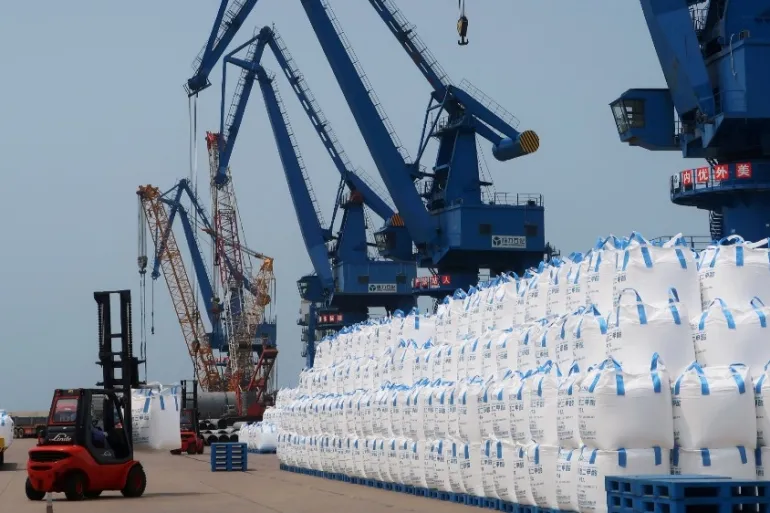
Years in chemical manufacturing have shaped my views on growth, efficiency, and global competition. The transformation made by Hengli Petrochemical Trading Co Ltd deserves a closer look, particularly for those of us producing purified terephthalic acid (PTA) and polyethylene terephthalate (PET) at scale. Fierce competition matches soaring demand in the polyester chain. Hengli did not simply scale up production lines. Instead, it used vertical integration, built logistics muscle, and leveraged domestic raw material sourcing to alter global flows of feedstock and finished product. These steps quickened output while trimming costs. Watching these shifts unfold, many in the industry saw sourcing and logistics become deciding factors, often more important than incremental tweaks in production efficiencies or minor process changes. Hengli’s strategy matched this reality.Scaling PTA operations to over tens of millions of tons per year comes with technical hurdles that can stump even seasoned engineers. At the reactor level, variance in temperature control or catalysts brings headaches nobody wants. Once a plant reaches a certain size, maintaining purity across vast batches demands rigorous controls, not simply automation. Operators at Hengli invested in digital systems and retrained staff so that routine sampling and in-line monitoring went hand-in-hand. There may be public fanfare over state-of-the-art facilities, but the real work happens in control rooms and sample labs, catching deviations before they ripple into full batches. Speaking with their process engineers at a conference a few years ago, I heard commitment to operational discipline echoed more than pride in headline-making capacity numbers.Bottlenecks shift further down the line as the business grows. Carving out a footprint in PET production, Hengli took a bold step by locking in contracts with downstream users. Bottling brands and textile producers signed on early, ensuring a stable outlet for resin. In my experience, shifting PTA or PET product overnight into new markets rarely works out. It takes more than high output; reliability in quality, logistics, and after-sales service drive adoption by global manufacturers. Hengli put capital into storage, port access, and back-haul logistics. These choices shaped both pricing and promptness, underlining how logistical reach can tip the balance between major players.We have all watched the environmental debate around PTA and PET raw materials unfold. The world presses harder for cleaner production routes, lower emissions, and recycled input streams. In our plant, engineers run pilot lines for recycled PET, anticipating future regulations and customer requirements. Reports suggest Hengli has poured resources into building facilities for chemical recycling and energy recovery, positioning itself for inevitable policy shifts. Some companies drag their feet on process innovation, weighing cost against return on investment. Others, seeing regulatory winds change, invest before penalties force their hand. Hengli appears to have chosen the latter route, focusing on in-house R&D and partner collaborations to make headway on sustainability goals. This attitude resonates with those of us who know long-term contracts and institutional buyers increasingly ask pointed questions about energy sourcing, water use, and waste management.Asian PTA and PET producers once faced persistent doubts on product consistency and analytical transparency. These days, sustained delivery of repeatable, high-purity product sets benchmarks well beyond commodity grades. From the operator side, I see audit trails, documentation systems, and regular certification checks as central to customer trust, particularly for buyers in Europe and North America. Hengli’s willingness to open up to external audits and pursue ISO or equivalent certifications mirrors what many of us have adopted after facing similar demands. Hands-on experience tells me that trusting a supplier’s commitment to corrective action and traceability is more important to multinational buyers than polished sales presentations or vague promises of ‘premium grade’ material.The PET resin market—so closely tied to fast-moving consumer goods and textiles—favors manufacturers who understand end-user realities. Collaboration between technical support teams and downstream clients strengthens innovation cycles. My team has learned, sometimes the hard way, that direct input from bottle-makers or yarn spinners often reveals pain points that never show up in lab trials. Hengli’s investment in field technical support, tailored grade development, and plant-to-plant troubleshooting points to recognition that serving large industry users requires practical support, not just a specification sheet. Large shipments of PTA and PET cannot sit idle; real-time problem-solving minimizes downtime for customers and shores up supplier credibility.Looking outside the plant gates, integration with shipping, warehousing, and customs management continues to draw the line between domestic champion and global presence. At a certain scale, customs delays or container shortages ripple quickly into production schedules, making deep partnerships with shipping lines and international freight operators not just an advantage, but a requirement. Hengli’s expansion of dedicated berths, bonded warehouse facilities, and customs clearance capacity reflects a recognition of this fact. From experience, we have found that technical excellence sparks little interest unless logistics match delivery promises. In the polyester chain, reliability still opens more doors than cost alone, especially for buyers handling thousands of tons per month. Delayed containers drive downstream disruptions, which can fracture business relationships built over years.The ascent of a company like Hengli was never just an engineering story. It has become a case study of investment in integration—feeding production with local, reliable raw materials, supporting exports with capable infrastructure, and addressing increasing customer and regulatory demands for transparency and sustainability. Those of us who have managed chemical operations know that new capacity affects both pricing and procurement for everyone. Spot prices and raw material premiums shift with every sizable line start-up or shutdown. Regional players, who once relied on imported PTA or PET, must sharpen their competitiveness. For foreign buyers, expanded Hengli supply means more negotiating power and the ability to test alternative sources without betting everything on unproven vendors. The landscape grows more competitive for all involved.It remains true that industry leadership calls for more than scale. Forward thinkers double down on operational discipline, supply chain depth, transparency, and responsiveness to regulatory evolution. Hengli’s story so far shows that those investing in both hard infrastructure and softer aspects—service, quality, environmental responsibility—secure real staying power. Every producer under the stress of change can learn from this, as the barriers to entry for global supply keep rising. We find ourselves in a market shaped equally by technical integrity and logistics excellence; falling short in either will quickly push even established manufacturers aside.

Read More
What Is the Relationship between JIANGSU HENGLI CHEMICAL FIBER CO.,LTD and HENGLI GROUP?
2026-04-15

What Is the Relationship between JIANGSU HENGLI CHEMICAL FIBER CO.,LTD and HENGLI GROUP?

Speaking from the manufacturing floor, people often want to understand how JIANGSU HENGLI CHEMICAL FIBER CO., LTD fits into the larger framework of HENGLI GROUP. Our story is grounded in the foundation HENGLI GROUP built, which placed its roots in Petrochemicals and high-performance synthetic fiber production. JIANGSU HENGLI CHEMICAL FIBER CO., LTD operates as a principal member, focusing on converting raw materials supplied by our upstream operations into high-value chemical fibers. The direct supply of purified terephthalic acid – PTA – along with ethylene glycol from HENGLI GROUP, helps us maintain strict quality control, manage production consistency, and keep reliability high in every ton of polyester staple fiber or filament yarn that leaves our lines. By handling much of the value chain ourselves, from raw material processing to finished fiber, we keep stronger oversight and foster more accountability in daily operations, engineering, and technical troubleshooting, an approach that many in our industry only talk about but rarely practice at scale.Media discussion about corporate relationships often focuses on board room politics or marketing, but in chemical manufacturing, relationships matter most where process meets product. The bond between JIANGSU HENGLI CHEMICAL FIBER CO., LTD and HENGLI GROUP doesn’t simply appear on organizational charts. It is forged on the production floor, reflected in product outcomes, and evident in shared engineering and safety standards. Because we are part of HENGLI GROUP, teams can exchange technical know-how rapidly, test new materials in pilot lines, then scale up successful results at a pace that traditional suppliers can’t match. When energy markets tighten or raw material logistics face disruption, HENGLI’s integrated supply network helps us avoid the production halts that have affected others in the polyester sector. Everyone in this business knows that even a few hours of downtime can snowball into late deliveries, lost batch traceability, and customer frustration. Our integrated structure keeps those risks in check.From the standpoint of someone operating reactors, fiber lines, and packaging units, the relationship with HENGLI GROUP brings tangible benefits well beyond resource sharing. Investment in advanced purification and polymerization technologies becomes possible under a group structure that allocates budgets strategically to maintain global-scale competitiveness. Environmental controls benefit from company-wide initiatives, such as collaborative upgrades to recycling and water treatment across the campus. Having a direct line to upstream chemical division specialists means we can act more quickly if a feedstock anomaly arises, limiting off-spec product and recycling as much material as possible in real time. Sustaining this culture of rapid response, continuous project upgrading, and waste minimization always requires visible leadership, clear protocols, and accountability. Most of these principles trace directly back to the shared values and operational discipline pushed throughout the HENGLI GROUP structure.Centralized research and development gives us the confidence to push boundaries. Because HENGLI GROUP’s R&D hub coordinates efforts across chemical and fiber units, we can invest in high-durability fiber and specialty yarns without unnecessary duplication of effort. For example, new catalysts launched by HENGLI’s polymer division reach our fiber lines earlier, enabling us to respond faster to customer needs for stronger, more reliable textile materials. Our teams meet regularly with scientists and engineers from sister companies, so knowledge grows rapidly, and troubleshooting is less about guessing and more about shared experience. Training sessions hosted by the group’s safety committee help reduce accidents on the job, enforce better environmental controls, and ensure every employee from line operator to plant manager understands their responsibility in upholding both product integrity and workplace safety. As a manufacturing company, we see these links not just as administrative formalities but as real drivers of productivity and workforce morale.Increasing scrutiny over corporate transparency, workplace safety, and environmental protection puts every chemical producer in the spotlight. Being an integral part of HENGLI GROUP means JIANGSU HENGLI CHEMICAL FIBER CO., LTD faces these challenges with resources and experience shared across the wider organization. We address stricter emissions targets by adopting innovations proven in sister divisions, streamline product tracking with digital systems developed in-house, and keep up with global customer expectations for transparency in sourcing and sustainability. The system only works if the manufacturers on the ground carry as much responsibility as the board members and executives. Speaking as producers with direct day-to-day oversight, our stake in maintaining the reputation of HENGLI GROUP goes beyond quarterly profit: each lot of fiber spun or packed reflects both our name and theirs. Our ongoing task is to strengthen that bond, keep production robust, and apply groupwide resources to solve technical, regulatory, and environmental challenges as they arise.

Read More