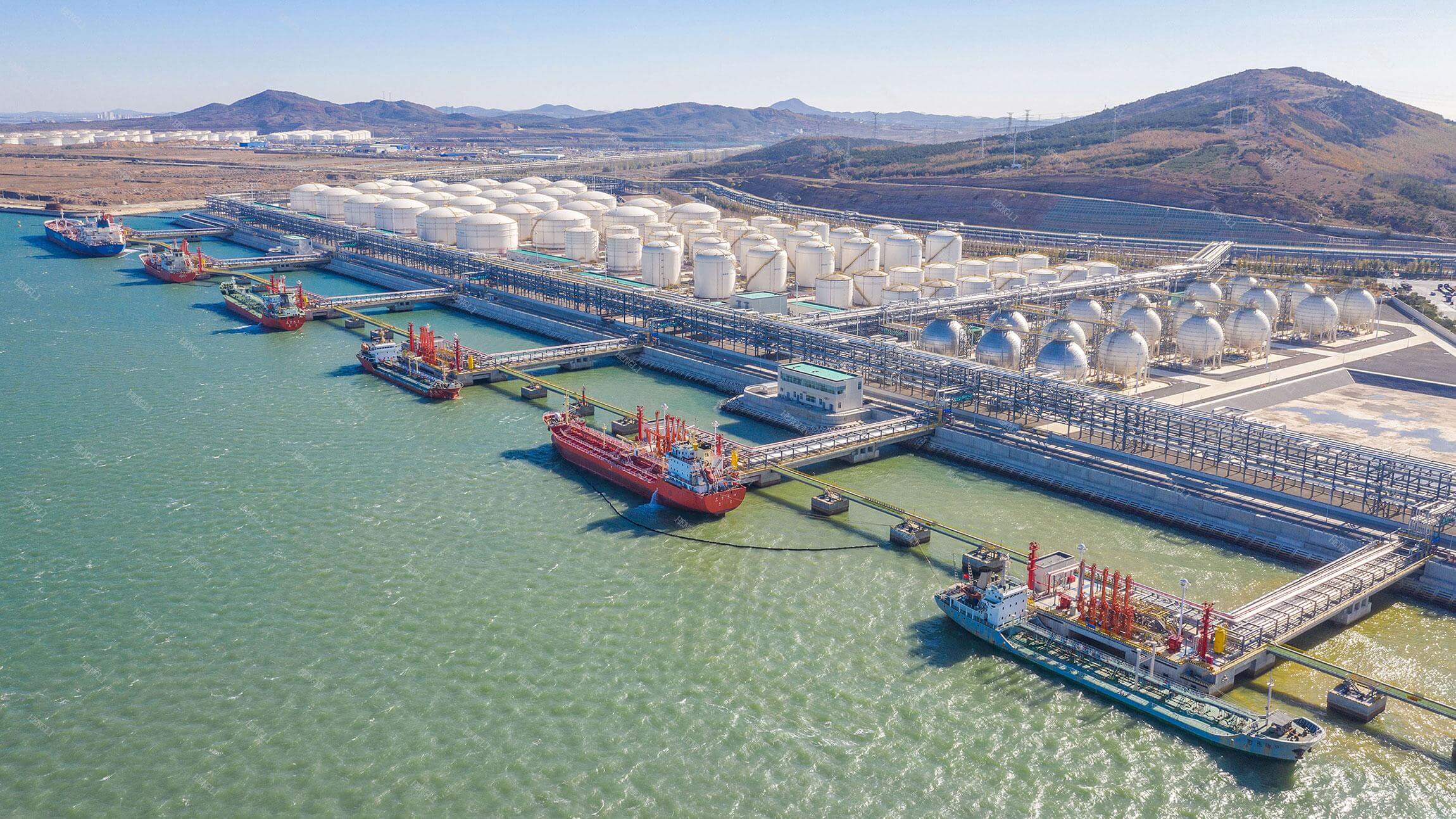
Hengli Shipbuilding (Dalian) Co., Ltd
Shipyards stretch across vast coastlines, dominating the horizon with mammoth structures and towering cranes. As chemical manufacturers, we often deal with tanks, drums, reactors, and control panels, not giant hulls or dry docks. Still, our fates are closely tied to shipbuilders like Hengli Shipbuilding (Dalian) because steel alone does not float a ship nor shield it from storm and salt; a network of chemicals gives those ships endurance, safety, and strength. Whenever we hear of Hengli expanding operations or rolling out a new vessel, the ripples reach our side of the waterfront. Coatings, adhesives, lubricants, and composites represent just a portion of what we supply, yet every batch reflects years of tuning formulations and running production lines at scale. The requirements for marine coatings, for instance, keep rising. Shipbuilders want anti-corrosive power and fuel-saving slickness; both call for cutting-edge chemistry and, sometimes, reformulation to meet tougher global standards. Tightening VOC emission rules or greater durability demands do not come as surprise—they arrive with every order and keep our R&D teams pushing for better ways to blend polymers and resins or introduce nanostructures, not in academic bubbles but in reactors running around the clock. There was a time when specifications traded between manufacturers and shipyards came with wiggle room. Now, contractual penalties for tiny defects in a coating layer can run into the tens of thousands of dollars. Shipbuilders like Hengli expect chemical manufacturers to move quickly without compromising consistency—not just for specialty paints, but for the greases that protect every winch and hydraulic system, the sealants that keep water at bay, and the cleaning agents used before every weld or coat. We track these requirements as closely as any batch number. With shipbuilding shifting toward larger container ships and more fuel-efficient hulls, the role of our chemistry continues to evolve. Higher standards from customers, stricter environmental controls, and rising expectations for performance while managing ever-volatile raw material costs: these are not abstract trends. These factors mark the daily operating reality on our production floors with every phone call from a procurement manager or a vessel designer insisting on the next edge over corrosion or biofouling. Every kilogram of chemical product must meet not only technical expectations, but regulatory compliance from both Chinese regulators and global bodies. Meeting these is not about checking boxes but investing in better raw material vetting, more comprehensive batch testing, and expert staff who know marine applications, not just molecules. Innovation gets thrown around as buzzword, but it emerges from hours of trial, error, and hard data. Years ago, paint formulas for marine applications used heavy metals without question. Regulations and customer expectations forced a shift to safer, greener compounds without sacrificing lifespan or protection. Whether facing requests from Hengli for improved intumescent coatings to meet fire safety codes or sealant with enhanced elasticity to resist vibration and fatigue, fulfilling these demands requires not just research but investment—new reactors, better ventilation, more precise dosing systems. Higher cost pressures have changed the way we source, blend, and even deliver products. Shipbuilders no longer look for bulk commodity shipments; they need supply chain reliability, technical support onsite, and after-sales troubleshooting. Our field engineers often work at shipyards, sleeves rolled up, advising on proper application, investigating issues, and recording data to improve the next batch. We rely on feedback from on-deck crews and paint shops as much as from R&D staff, because unvarnished, real-world feedback keeps feedback loops honest, refines our products, and builds the trust needed for long-term supply contracts. Often, we end up learning as much about the unique environment of northern shipyards—cold winters, salt-laden winds, the punishing grind on deck coatings—as we share about our chemical solutions. Chemical producers field more questions about lifecycle sustainability from buyers in the shipbuilding sector than ever before. Large shipyards such as Hengli operate under increasing scrutiny—every spent drum and emptied tank reflects upstream choices made in our factories. Shipyards have begun to ask about waste reduction from chemical processes, both in their yard and at our plants. We can supply technical documentation, but more and more, procurement officers want evidence of practical initiatives: solvent recycling, heat recovery from reactors, closed-loop programs for reusable IBC totes. As shipbuilders work with international partners and sell to overseas fleet owners, pressure mounts for supply chain transparency and lower carbon footprints. From our position behind the drums and reactors, we urge business partners to invest alongside us in realistic, result-focused sustainability steps: investing in concentrated formulations, collaborative container returns, and deeper integration of digital tracking for batch and material traceability. These steps add overhead, but upstream commitment reduces downstream waste and maintains trust with multinational fleet managers that demand accountability through every link in the supply chain. Sophisticated chemistry demands a workforce as dedicated and skilled as those welding hulls on the shipyard floor. The pressure on our labs and production crews reaches a fever pitch as deadlines loom for Hengli ship launches or repair cycles. We recruit fresh graduates and industry veterans alike, offering hands-on training and access to partnership programs with shipbuilders. Knowledge of practical marine applications is just as important as understanding chemical synthesis. By sponsoring internships, running information sessions onsite at shipyards, and offering advanced seminars in our own labs, we stitch together a pipeline of talent who can bridge chemical production with maritime needs. Safety, not just productivity, sits at the core of what our workforce delivers: every improperly mixed batch, every mislabelled container, holds real potential for disaster, so repeated training, clear procedures, and a strong reporting culture help us prevent minor errors from becoming major incidents. What’s more, crew continuity allows our technical advisory teams to develop long-term working relationships with yard supervisors at Hengli; these connections move projects forward, help solve unexpected problems faster, and spur new ideas for collaboration or product development. Markets rarely sit still. Tariffs, logistics disruptions, shifts in demand from one shipping segment to another—each new headline from Dalian or the world forces chemical manufacturers like us to re-examine production schedules, supplier agreements, and technical priorities. Recent global events, from container shortages to raw material spikes, hit every corner of our operation. What stands out most, though, is not the volatility but the way close connections with major shipbuilders have helped steady our course. Real-time communication with partners at Hengli allows us to address shifting shipping schedules, reroute essential shipments, find quick substitutes for delayed additives, and coordinate technical visits that keep production rolling. As technology advances and automation expands in both yards and chemical plants, we make steady investments in monitoring and blending systems to match the higher tolerance requirements and increase traceability, not just for compliance but for operational efficiency. Multiplying digital tracking from raw feedstocks through to ship delivery, and engaging with Hengli in shared digital platforms, streamlines processes and strengthens the resilience of both operations. This collaboration turns shared challenges into a mutual push for smarter, more responsive supply solutions that no single part of the value chain can accomplish alone. Mobile: +8618136850665E-mail: sales4@ascent-chem.comWebsite: www.hengli-petrochemical.com